2020 Catch-Up: Week 2
We must imagine Sisyphus happy
Missed my Monday post this week because I was cramming for this one, but it’s been fun to experience last year’s unique crop of movies finally. I’ll be doing a make-up post for that next week, as I’m just about set for 2020. To get that extra content—as well as my EOY post next Friday—direct to your inbox, hit that subscribe button!
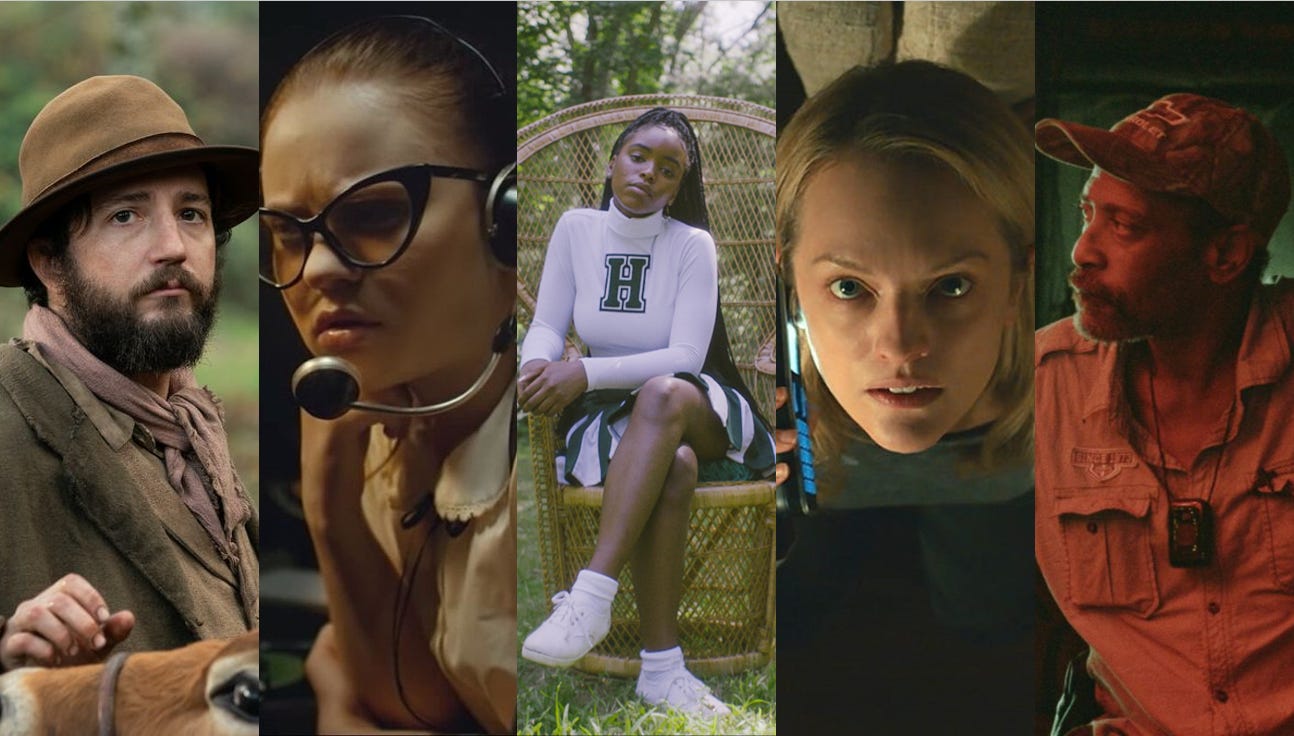
January has been a bit of a miracle month for me in terms of film consumption. I am not a particularly prolific movie-watcher. My day job normally takes up a ton of my energy, and even when I do find free time, I’d be too exhausted to focus on anything I put on. I’ve been better about it since the pandemic started—being stuck at home will do that—but I still haven’t able to average more than a film per day over a whole month until now. It’s a pace that seems almost pedestrian for certain cinephiles, but I am not one of them. So, I am celebrating this rare moment in my life, driven mainly by my mad dash to cram as many 2020 films as possible over a two-week span of time.
My original goal was to finalize my list by January 31—and I could if I wanted to simply get a list out—but I want to try something new this year that’s a bit more labor-intensive than a top 25 post, which is why I’ll be releasing my list next Friday, February 5, instead. I figure it’d be just as irrelevant to the current film discourse du jour then as it would be on Sunday. Might as well have some fun with it. I’ll probably be catching a few more films over the weekend to round it out and validate some things, but by and large I think I’ve seen everything I want to. Made it, Ma—top of the world.
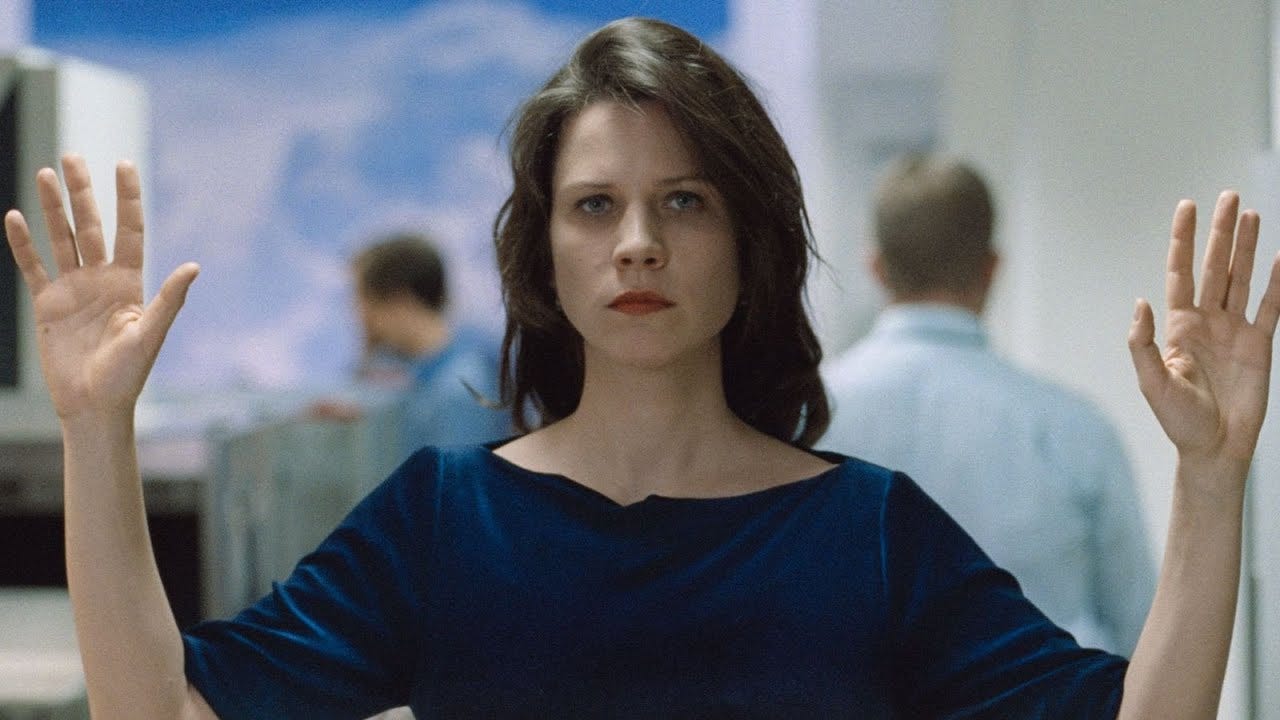
Preparations to be Together for an Unknown Period of Time
There are always a few films I hear about during festival season each year that never build too much buzz but whose one- to two-sentence plot summaries are enough to get me on board. This offbeat Hungarian romantic drama from Lili Horvath was summed up as “Crazy Ex-Girlfriend, but non-musical and in Eastern Europe”, a comparison it very much delivers on, what with its heroine with underlying issues to address uprooting her whole life and moving across the Atlantic ostensibly for some guy. Of course, the situation is a lot more nuanced than that, and much of that nuance plays out in a remarkable lead performance from Natasa Stork, whose steely gaze and deliberate poker face almost feel Huppert-esque. It still hasn’t quite gotten the attention it deserves, but if it makes the final five nominees for Best International Feature (it’s Hungary’s submission), folks are going to be learning its mouthful of a title in a hurry.
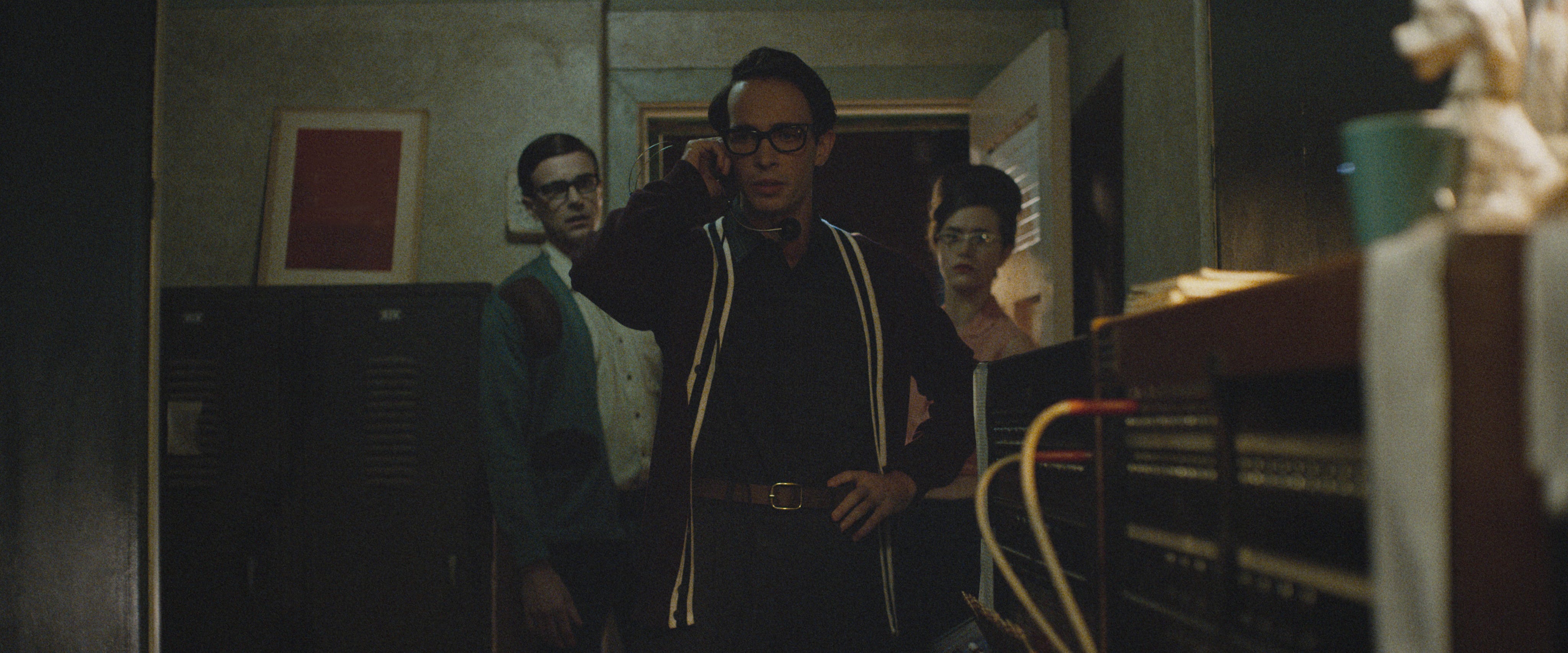
The Vast of Night
Strictly speaking, this whole thing could have been a podcast, with its second half largely being a series of monologues strung together by scenes of transit, but that would’ve robbed us of the exquisite vibe Andrew Patterson is able to build in his ode to old-timey sci-fi serials. The first twenty minutes alone feel like being transported through time, so keen is its eye for visual flair and ear for period-accurate 50s slang. It’s a well-made film in search of a meatier plot, but it’s a testament to the talents involved in its making that it doesn’t feel all that weightless. It’s a purposeful and sleek piece of entertainment that feels like a harbinger of great things to come for its director and young protagonists, both of whom acquit themselves very well here.
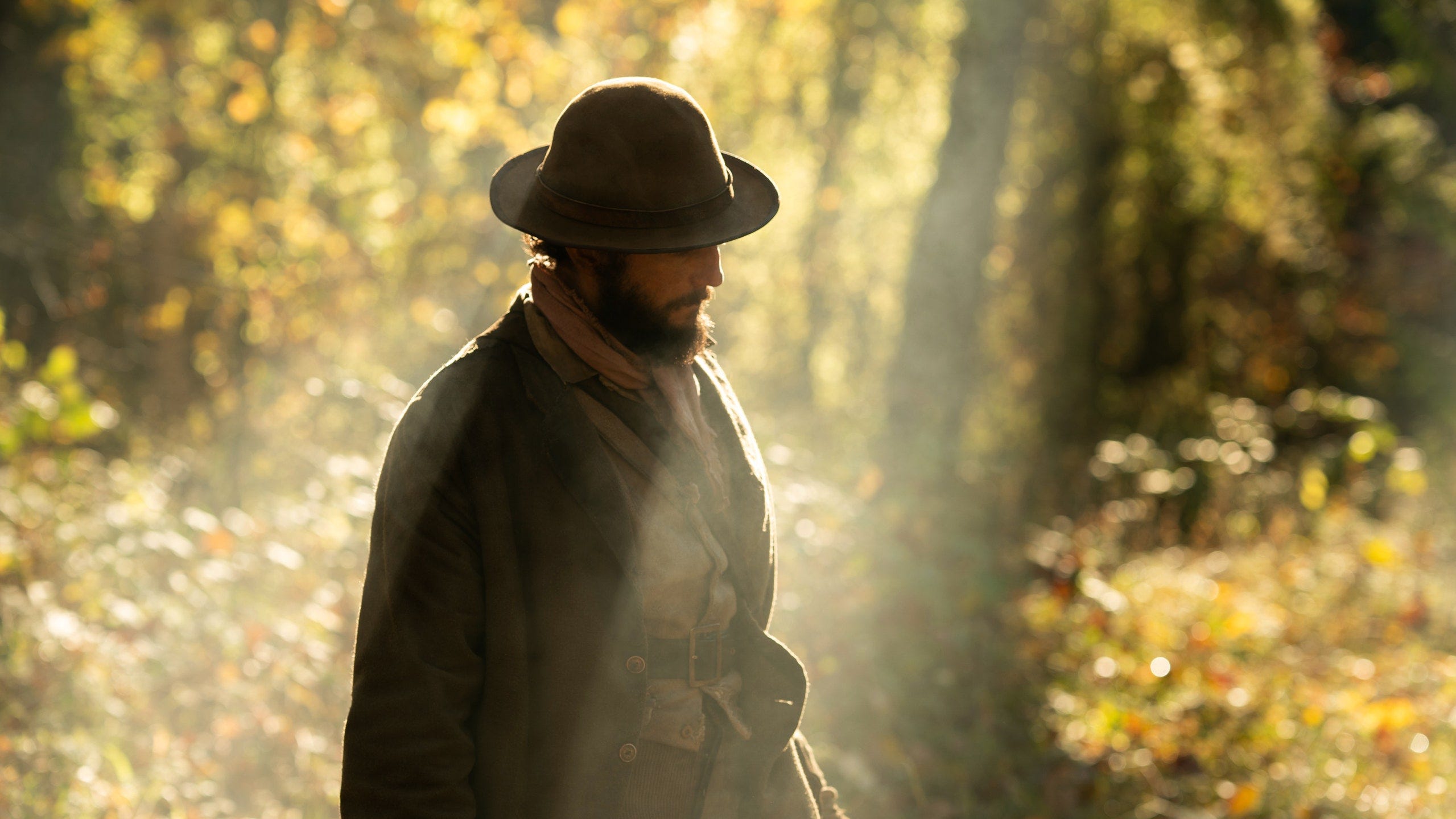
First Cow
No director understands the dark and destructive underbelly of American capitalism like Kelly Reichardt, yet the true source of her films’ potency is how she pairs her obvious criticisms of the American bourgeois with an unfailing sense of humanism and belief in the goodness of the common man. Her lead characters, so often people just trying to eke a living in society’s margins, are capable of kindness and tenderness even as the world chews them up and spits them out. Every drop of pathos is earned in a Reichardt feature, and in First Cow—for all intents and purposes, her GoodFellas—she turns a meditatively paced tale about two friends who steal milk from the local capitalist to make oily cakes into a grand thesis about everything great and terrible in American history. No one is doing it like her.
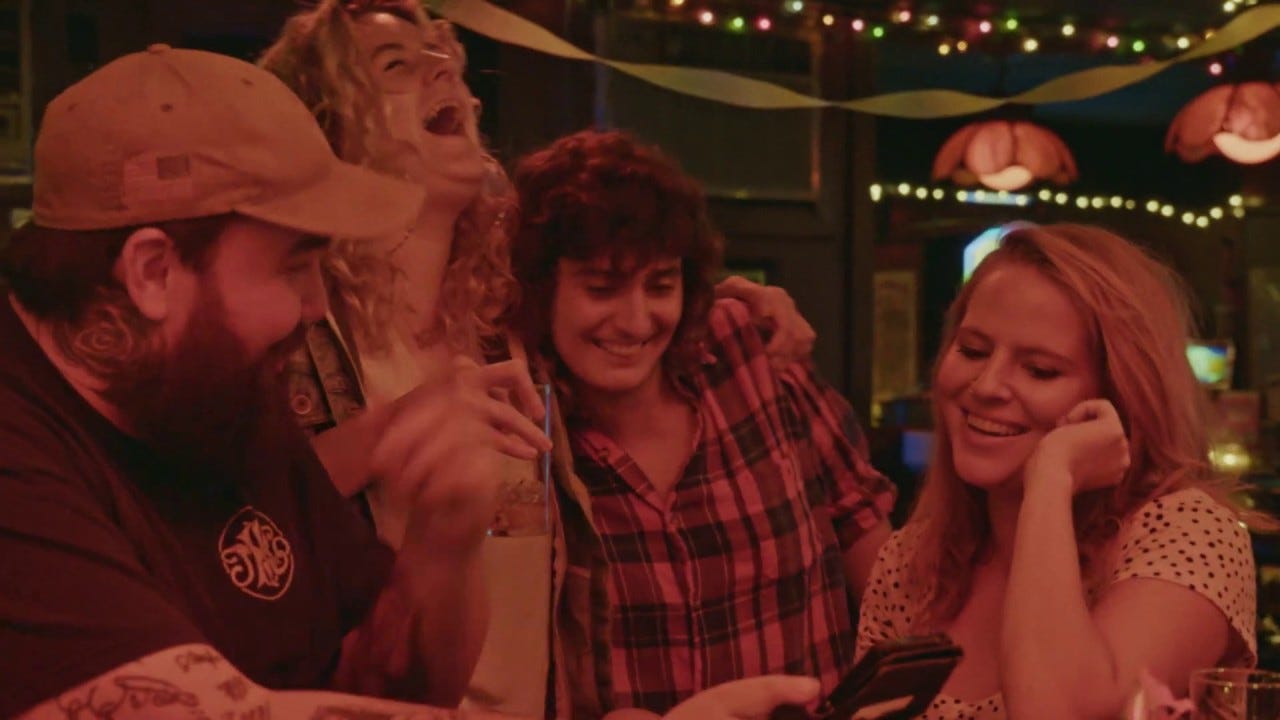
Bloody Nose, Empty Pockets
This gorgeous not-a-documentary from the Ross brothers finds a metaphor for a world standing on the precipice of apocalypse in a dive bar that’s about to close for the last time and whose patrons—a diverse bunch of invariably fascinating characters—decide to throw one last rager for the road. Bloody Nose, Empty Pockets occupies a strange space in between documentary and fiction, shot in a fictional bar with barflies (some of whom have acted before, most have not) gathered from all over the country but almost entirely improvised with said barflies playing semi-accurate versions of themselves. It is a documentary of a hypothetical, which makes it both authentic and artificial, but its most brilliant moments arise from that simplest of documentary tricks: Leaving the camera on the most interesting person in the room at a given time and simply observing them. It is one of those rare films that make you feel closer to your own humanity after watching it.
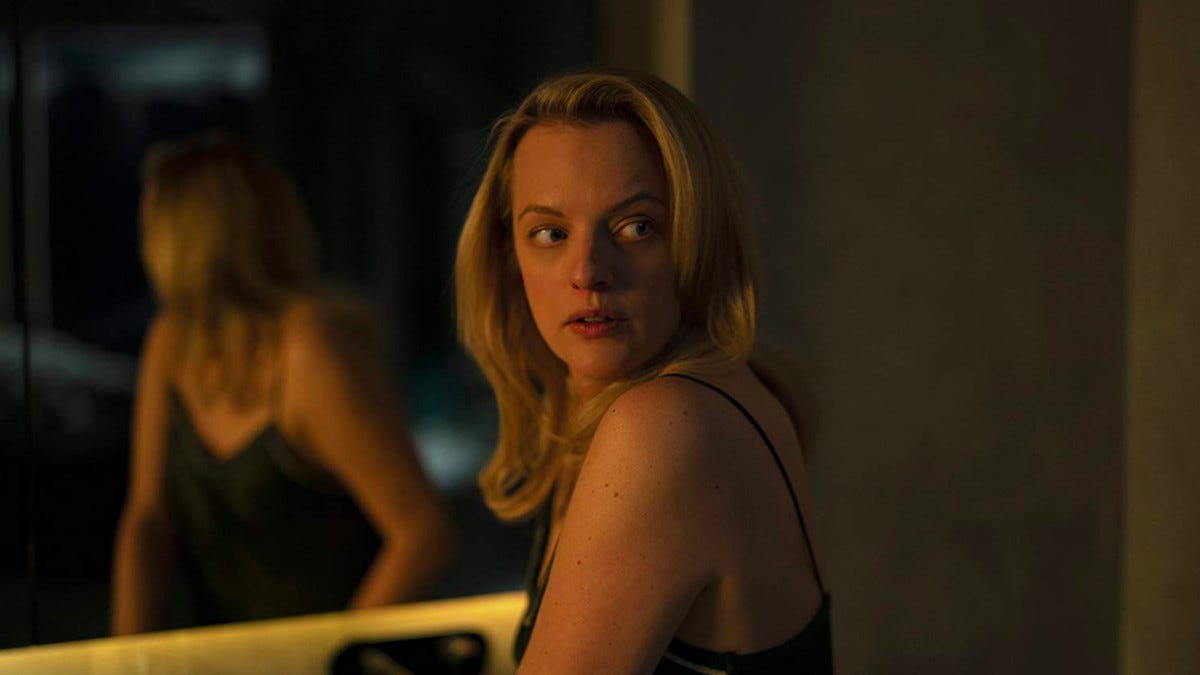
The Invisible Man
The contrast between Elisabeth Moss’s greatest role—calm and snarky Peggy Olson on Mad Men—and the cavalcade of distressed women she’s played in what has been a thrillingly eclectic body of work in film so far is astonishing, and The Invisible Man might be the best proof-of-concept we have for her being one of our greatest living actors. It’s not necessarily her best movie performance ever (or even her best from 2020), but her stellar scream-queen turn almost singlehandedly elevates this film from just another Blumhouse joint to a credible meditation on domestic abuse and the trauma it leaves behind. Even in a relatively mundane outing, we should be grateful to witness an artist at the peak of her powers.
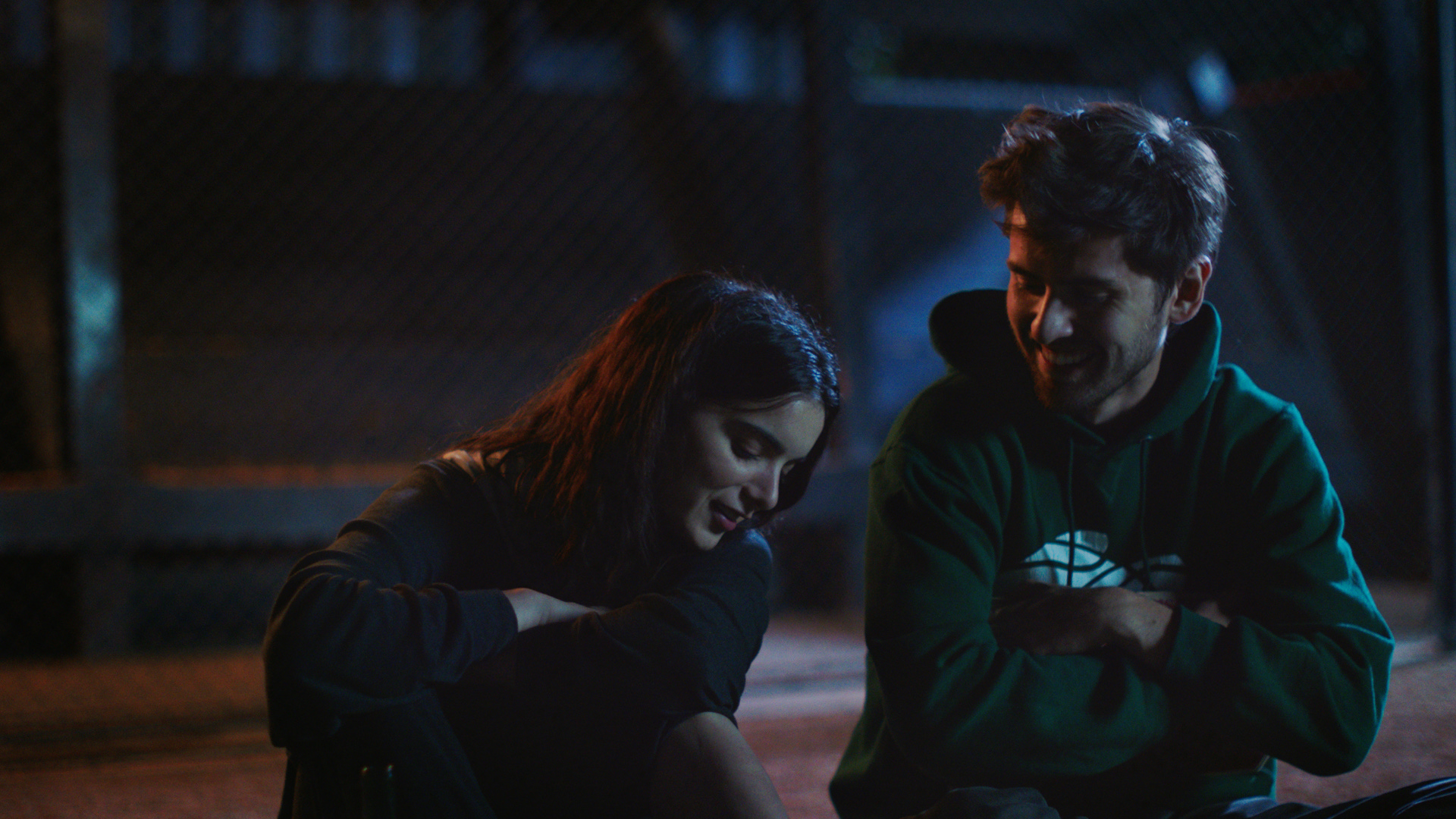
Shithouse
If you’re a longtime reader (or you’ve known me a while), you’d know from the summary in the next sentence alone that Shithouse, writer-director Cooper Raiff’s microbudget feature debut, is quintessential Deany-core. Two lonely college students (played by Raiff and an incandescent Dylan Gelula) have an emotionally charged and adventure-filled night together, but both react very differently to this unexpected intimacy the next day. Most of the film is Raiff and Gelula walking and talking and falling in love with each other, which is a trope I am such a mark for that you should probably take this rave with several grains of salt. Despite an unfortunately saccharine epilogue tacked onto it, the film almost got me believing in human connection again. Almost.
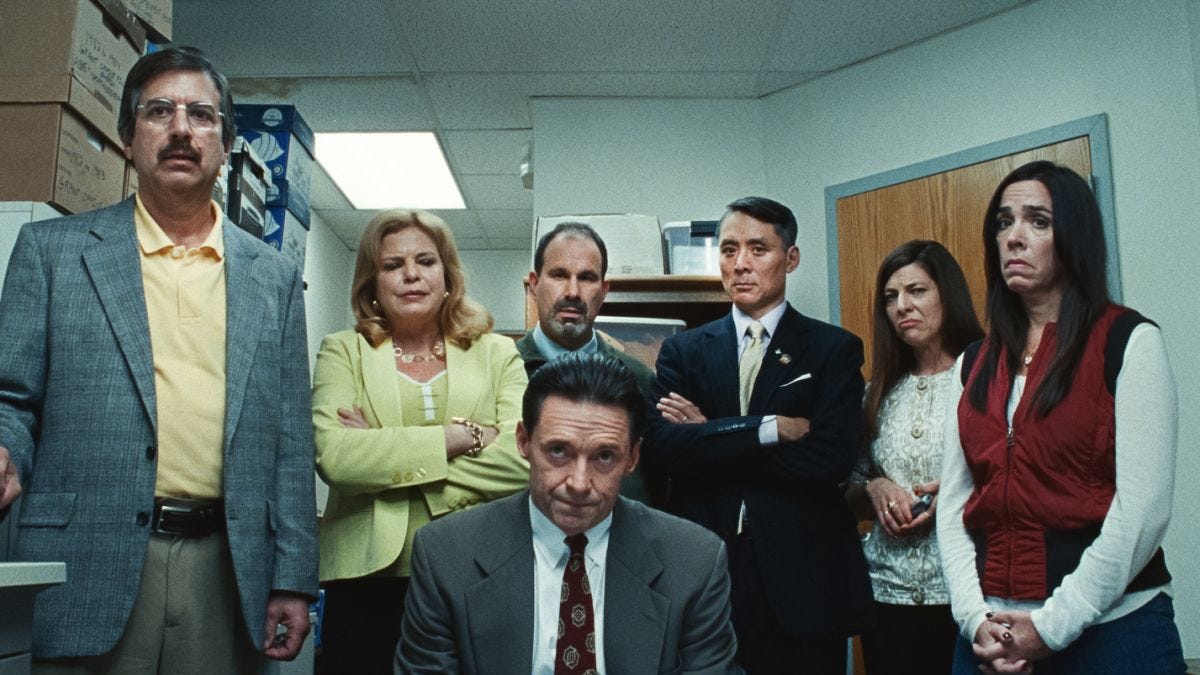
Bad Education
A throwback to the midbudget, star-studded crime dramas that have gotten rarer and rarer over the past decade, Bad Education is a taut depiction of a criminal empire’s collapse straight out of Martin Scorsese’s playbook—no less than four actors here also appear in The Irishman, even!—driven by a career-best performance by Hugh Jackman as the mildly sociopathic, definitely corrupt devil-in-a-good-suit superintendent Frank Tassone, who charms and finesses his way into millions of dollars of taxpayers’ money. Flanked by a cast of ringers from Allison Janney and Geraldine Viswanathan in key supporting roles to near-cameos from TV luminaries like Kayli Carter and Jimmy Tatro as Janney’s mob kids, it is a well-oiled machine of a film: Not a hair or fold out of place.
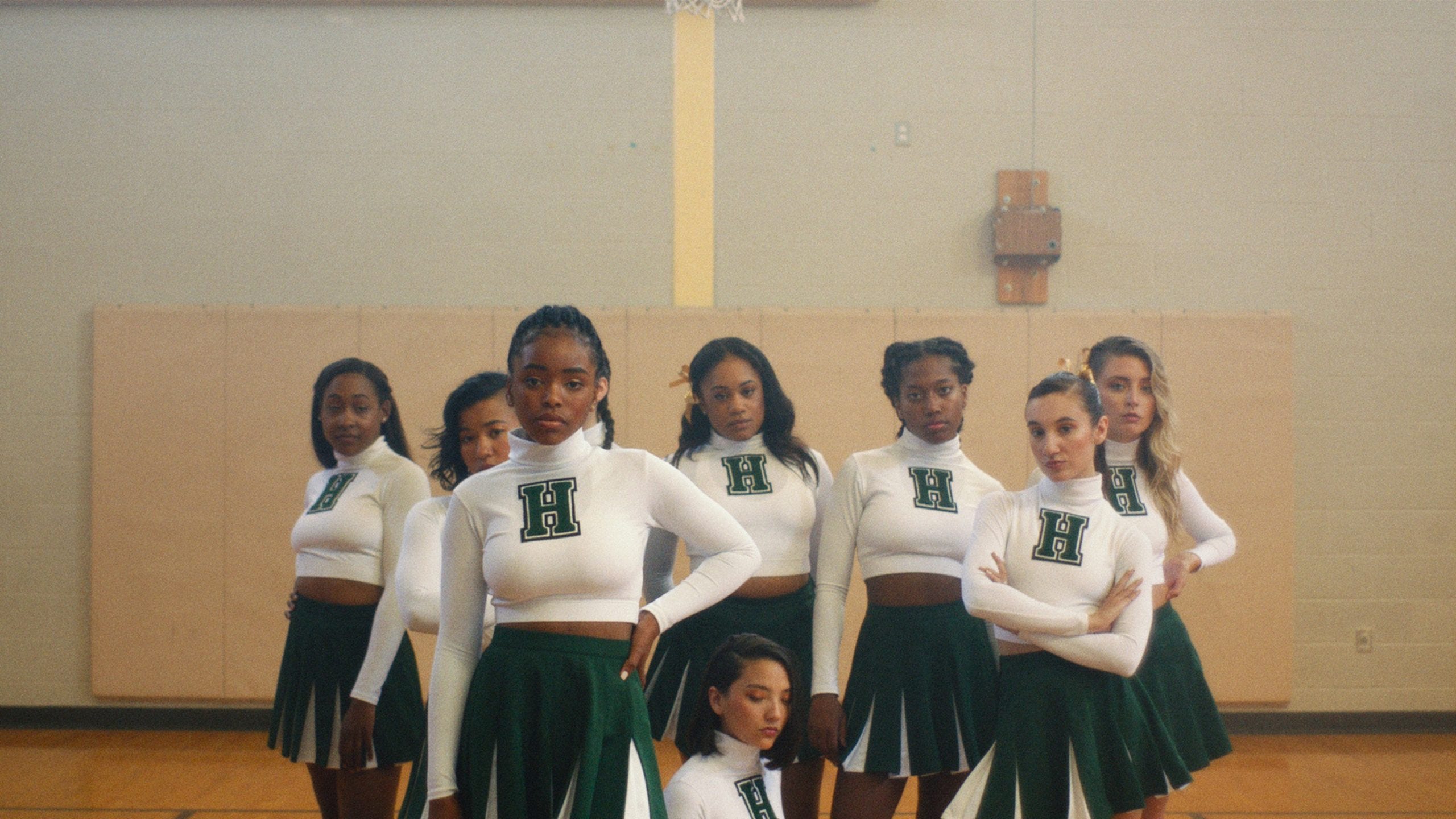
Selah and the Spades
One of the year’s more neglected features, Selah and the Spades is a delectable YA pulp confection from first-time director Tayarisha Poe that plays out like a version of Riverdale that actually makes sense, while still finding space to talk about the difficult project of identity-building in the crucible that is adolescence. A lot of its thematic exploration feels incomplete (a TV series is apparently in development, which feels like what this story needs), but it bears mentioning that this is a movie about a preppy private school run by a Five Families-type tribunal of 17-year-olds who each head their own hedonism-enabling faction (one runs gambling, another organizes ragers, the protagonists head the school’s drug trade, and so on). The thematic consistency isn’t necessarily the point.

The Painter and the Thief
In a year filled with its share of fascinating and inventive documentaries, this might be the thorniest, even as director Benjamin Ree mostly eschews flourish to get out of his subjects’ ways. Chronicling the odd and ultimately co-dependent friendship that blossoms between a struggling artist and a lifelong criminal who stole two of her paintings from an exhibition during a drug-addled bender and whose portrait she wants to paint, The Painter and the Thief unfolds almost like true-to-life Oscar bait, with the complicated relationship between them vacillating between touching and toxic with the dramatic rhythm of an honest-to-God movie script. It’s fair to question just how much of it is them performing for the camera—the film goes into some stunningly intimate places whose authenticity might be impacted by the presence of outsiders—but that itself is meta-commentary: How much of what we see of a subject in art is true, and how much is performance or even the artist’s own projection?

She Dies Tomorrow
I’m still not certain whether this is a masterpiece or simply a stylish slog; it could very well be both. Amy Seimetz’s bold attempt at capturing the sensation of existential anxiety onscreen is often quite thrilling, with its battery of sensory stimuli around an unnervingly laconic narrative being able to elicit a visceral feeling of dread. This same invoking of latent anxiety as a base tone, however, is what also makes it so exhausting, because it inevitably hits the same notes over and over. That’s how anxiety often works, especially when one can’t quite pin down a specific cause for it. Horror cinema has often effectively depicted human anxiety, but this is a film that lacks any sort of bogeyman beyond the dull ache of implacable discomfort, and feels a tad weightless as a result.
Any suggestions for what else I ought to catch this weekend? Think I’m wrong about one of these movies? Feel free to drop a line below.